The Modern Definition of Success Is Asking Too Much of Men
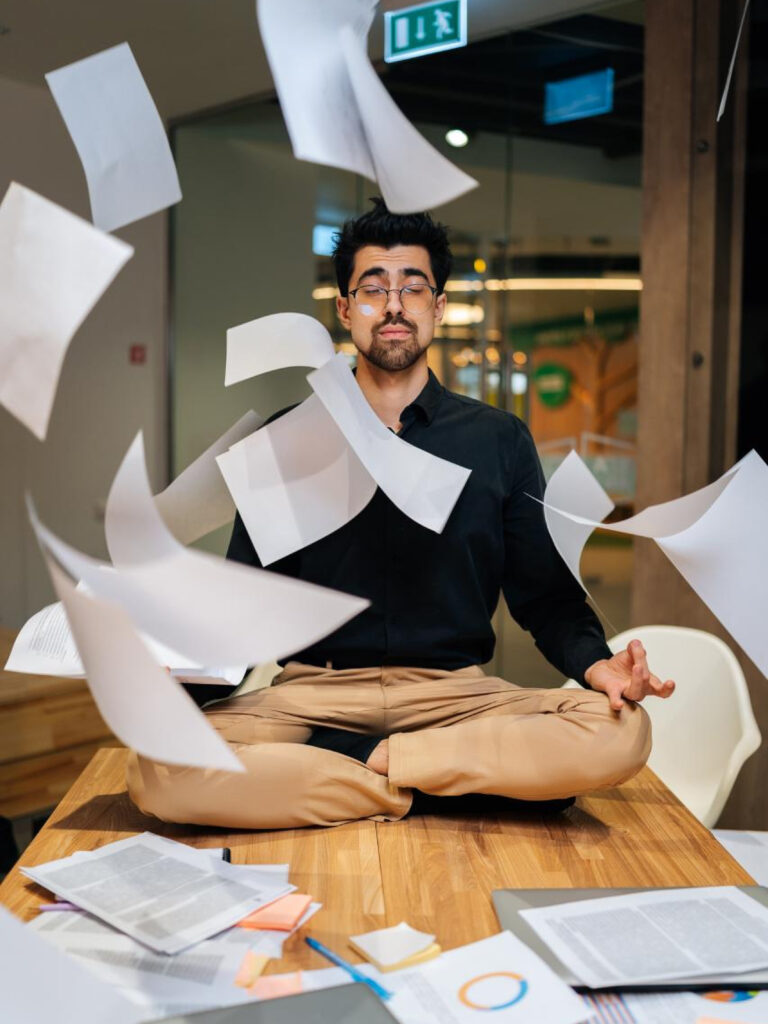
As a man in our modern world, the narrative we are handed by the culture we are immersed in and the expectations placed on us are practically extreme. The expectations include to work, earn, take care of family and friends, grind until running on empty, strive in all worldly pursuits, become a perfect husband or boyfriend, work to become a “success” by the specific (and made up) standards of society, and put on a strong “can-do” attitude through it all.
Considering this pressure, is it any wonder why so many men are struggling, feeling mentally dim and overwhelmed, sacrificing their deeper connection with themselves, becoming too internally critical of themselves, and having their presence and attention scattered a lot of the time?
If a mind is always required to be “on” and “wired” due to the incessant need to constantly think, figure everything out, plan, execute, and live up to seemingly endless modern standards, peace only seeming to spring up in fleeting moments interspersed throughout the day, doesn’t it make make sense why so many men feel strung-out, struggle mentally with burnout and shame, their relationships suffer because they don’t have enough energy or patience left to handle another person’s concerns after a long day, and their sense of wellbeing and happiness compromised?
The Problem With Chasing Someone Else’s Definition of Success
So much is expected of men and idealized as to how men “should be” and what they “should do” in our society. Men are expected to earn as much as possible – even if the work itself is misaligned with their interests or preferences. They are encouraged and even expected to engage in types of work that are essentially spiritually meaningless and notorious for creating strain, stress, and unnecessary overwhelm.
Men are expected to put up with this predicament in the name of “success”. This notion of success is now practically defined as some kind of super-human worldly achievement. Buy a house (in today’s near-impossible housing market), start a family, take care of everyone around them, be strong at all times, never complain, never feel bad, be a great partner or the kind of man that sweeps any woman off of their feet, have a six pack and muscle to boot, act “like a man”, have a strong presence, eat well, and be the absolute greatest at something specific.
What many men caught up in trying to fulfill these expectations are unwilling to acknowledge and understand is that these relentless expectations are not just exhaustingly demanding, they are practically extreme. Not many men, and for very good reason, can continually withstand these mental pressures to achieve this completely fabricated and made up ideal of “success” with its goalpost receding endlessly into the future without sacrificing their peace, wellbeing, and good nature.
This is not so because they are weak, failures, or losers, but because they are human, because these ideals are extremist by definition. This is why so many men are walking around on the brink of exhaustion and burnout, convinced that this type of life where they have to fulfill every demand placed on them from within and without irrespective of their mental and physical health is “normal” and necessary in order to accomplish what they consider is expected or desired and fulfill their role and duty as “a man”.
Well, you could argue that maybe the ends do justify the means. Maybe what men are doing is necessary in order to reach their idea of a better life situation or some goal in the future that will be satisfying or important, or simply to pay their rent and bills. Maybe the difficult process is even building up the strength of their character, helping in the development of grit and an attitude towards life that is adaptive and strong, and maybe it will feel it was all worth it when they get “there” and become “successful”.
What Do You Really Want?
While yes – it can be fulfilling and rewarding to follow your true interests and passions, but it is only so if they are intrinsic to you and what you actually want your life to look like, not what you were told to want or what you think you “should” have or do through being immersed in society’s cookie-cutter expectations that were placed on you from the outside.
And yes, it can be hard to discern between the two – between what you actually want to do, how you want to live and enjoy your journey versus what is prescribed to you and conditioned into you to desire by a society’s fabricated standards.
Manhood Doesn’t Have to Be Built Through Exhaustion
Manhood doesn’t have to come through extreme stress, exhaustion, performing activities that don’t align with one’s true interests, and external pressure. It can be developed calmly, even gently, through one’s own intrinsic motivation, through resilience, and an inner strength that has the power to choose what one says yes or no to and how one chooses to live their life, regardless of external pressures or expectations.
What If There Is Another Way to Live?
Regardless of whether reaching societally-imposed goals will actually bring a man the lasting peace and satisfaction they crave (let’s just say many historical spiritual teachers would shake their heads in dread), if the process of going towards these goals involves living with a constant strain, sense of burden, stress, an exhausting work life, over-striving, pressure from within and without, long hours of work without adequate rest (or pay), and societally-defined family obligations on top, many men without a doubt will cut the road to their intrinsic or societally-defined goals short through sheer emotional, mental exhaustion, or eventual outright refusal.
The truth and hope is that there are ancient tools that were designed to mentally and emotionally trace cultural conditioning back to its roots and restore men’s sense of freedom, autonomy, energy, and individuality. In the past, before present-day modern life and its societal expectations and pressures, men had more of the responsibility to find their own truth through inner examination and liberating spiritual practices.
Reexamining the Life You Were Conditioned to Want
These practices were meant to send men within themselves to their core and uncover their freedom of choice, independence, power, autonomy, and a truer, more honest and authentic choice-making process. A dialogue with oneself can arise when engaging in self-explorative practices that may involve asking “what do I truly want?”, “who (or what) am I, really?”, “how do I want to live?”, and “who do I think I should be and why”?
Applied to today, such a practice such as sitting with oneself alone, breathing, and being open and willing to feel within whatever comes up with a discerning and courageous open mind can help men take back their strength, power, and energy, soothe and reinvigorate the mind, genuinely promote reflection on what they truly want and desire, and provide an intrinsic sense of inner fulfillment that they mistakenly sought through the outside world.
The potentially bad news (for modern society and the economy) is that engaging with these mindful, reflective, and restorative practices will likely rewire the mind of a man to be satisfied with less, discourage him to take on roles, burdens, and life situations that are misaligned with his deeper preferences, and therefore will restructure his pursuits to fit something more aligned with his depths rather than shallow cultural expectations. You can read my post on the topic called “How Eastern Practices Naturally Restructure Your Busy Western Life” here.
Such a man may become more minimalist in his spending and lifestyle, but often also more aligned and authentic to the version of himself that has understood what he wants and what he doesn’t want.
These ancient tools and practices include techniques designed to ease the burden placed on the mind by modern life, reflect on and restructure one’s life pursuits, and rediscover what one actually wants for oneself and what one wants to do with their time on this planet. By giving oneself opportunities to work with the mind using such tools and practices and then learning or understanding how to actually give the mind rest, peace, and deep reflection as well as freeing and invigorating examination, men can regain their balance and become clearer on what they want and what they don’t want, but thought they did.
These tools and practices help reconnect with one’s body and immediate natural presence, be more mindful, slow down, recharge, and help men who have lost some of their groundedness, presence, their way, and easeful joy to the expectations and pace of modern society not only to regain the energy needed on a daily basis to continue working towards their goals if they so wish, but could also lead them to a path that is more peaceful, authentic, fun, understanding, joyous, rewarding, and spending of their energy in the right valued places and pursuits that they start to cultivate and regain.
I get it – the fears men struggle with include financially providing for themselves and their family, fears about ending up alone, fears about not being good enough in others’ (and their own eyes), fears about being a “loser”, fears about being excluded from social circles or even society as a whole, and about a dozen different potential negative outcomes. This is why men work so hard, accept and take on more stress and obligations than they can realistically handle, sacrifice and neglect their own peace and joyful activities that they actually want to do, and think that this worldly way is the only way to navigate their lives.
I’m here to tell you that this is not the only way to live life. These ancient (and some more recent) practices and philosophies were designed to restore men’s connection with their deeper and higher self, examine how they are living and how they actually want to live, understand reality to its fundamental essence, and realize their most inner core where power, strength, fulfillment, joy, and peace can be experienced directly and through where real change can start to occur. These practices are just as or even more effective and pertinent today in our modern culture than when they were thought into existence thousands of years ago.
They can put men more in a position and psychological space to work with and understand and heal their deepest fears, pains, and confront their conditioned reality. Through engaging in these practices, many men may naturally find that they start to restructure their goals, pursuits, obligations, and life situations in ways that align with and help them uncover what they actually desire for themselves on a much deeper level – their self’s true preferences, not just what is expected by the world.
Ancient Practices for a Gentler Way of Living
The following practices can be explored individually or combined according to what your mind and body seem to need. Many have roots stretching back thousands of years, yet their emphasis on presence, simplicity, awareness, and inner freedom remains highly relevant to modern life.
Meditation for Men: Restoring Presence and Inner Peace
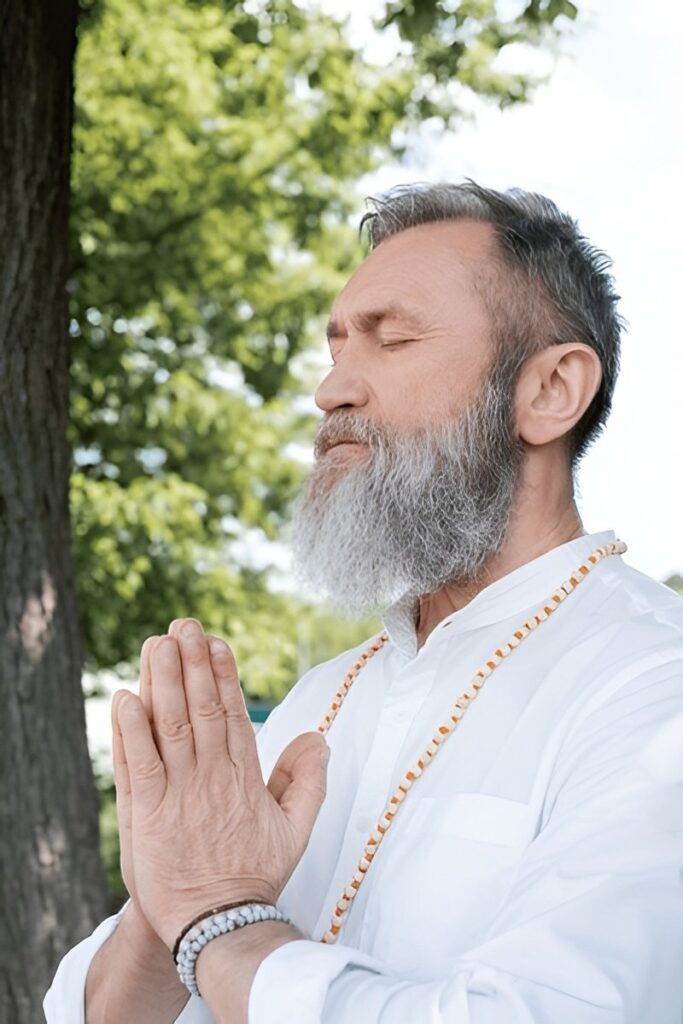
Meditation is the most well known and universal ancient practice that is not only restorative emotionally and mentally, but also has incredible transformation potential. This practice of sitting quietly with eyes closed and either gently focusing on a sensory object like the sensations of the breathing at the nostrils or abdomen or simply abiding in awareness itself while allowing all experiences to come and go can promote an experience of rising out of emotional or mental stress and turmoil into a peaceful, restful, and joyful state – and this can happen rather quickly.
This practice also acts like a mirror and a magnifying glass to personal inner reality, promoting examination and discovery of one’s current assumed reality and ultimately uncovering a more grand, ultimate, fulfilled, and aligned reality.
Start with 20 to 30 minutes a day and see what benefits you feel and experience. You may notice an increase in peace, energy, restoration, and wellbeing from consistent practice, and you may even start to question some of the assumptions that you’ve held onto for so long (or that were handed to you by society) that can give you more of your clarity and peace back. It may make you more conscious of your lifestyle and how you are spending your time and money, allowing for intentional opportunities in adjusting your habits and duties.
Don’t Make Meditation Into Another Form of Striving
Make sure to be gentle while connecting with your meditation object or abiding natural presence without being rigid or too forceful. See meditation as “play” and naturally playful – a restorative basking in awareness instead of another difficult activity that you have to cross off of your to-do list and “bear and grit your teeth” to get results from. Meditation should not be seen as another exhausting test of patience, but an activity to actually enjoy gently. Meditation is a tool to use for exploring reality and an opportunity to relax into the body with patience and care to soothe and reinvigorate the mind.
Daily Mindfulness: Learning to Observe Rather Than React
Just having a center and remembering to be grounded in an observational stance towards one’s experiences throughout the day and responding from this inner stability instead of reacting can be incredibly liberating if intentionally practiced consciously and consistently.
As more awareness grows, seemingly small decisions that would’ve been made on autopilot before (and often not in one’s favor) can gradually be navigated with more groundedness and clarity, giving rise to better responses and therefore better outcomes as you go about your day. As you go about your day, try being more balanced, observing, gentle but discerning, equanimous, centered and yet simultaneously engaged and caring for what you are doing or who you are with. This may sound difficult, but it is really a balancing process that can become fun and playful after some practice.
Adopt a discerning and observational stance to life’s experiences as they come and go. Recognize that all things that happen within and without are impermanent – they are temporary and do not last. So, let all experiences come and go without clinging. This kind of attitude or practice can help a man to stop taking discomfort, negative feelings, or difficult situations so seriously, allowing them to respond instead of react. It can help recharge or keep energy elevated through the mishaps and the ups and downs as well as skillfully dealing with triggers that come with modern daily living.
Qi Gong: Gentle Movement for Energy and Grounding
This is a gentle and simple but profoundly powerful movement exercise that is designed to move around the Qi (the Eastern term for life energy) through the body and through what Traditional Chinese Medicine calls meridians. It can help move what feels like “stagnant energy” through the body, increase energy, vitality, and be a great energy preparation ritual for the day.
This movement of energy isn’t just a mental concept or intellectual self-aggrandizing, it’s something you will noticeably experience and feel as you are doing a Qi Gong routine. It is especially powerful if you do it mindfully and gently, dropping the need for perfection of the movements or their mechanics. It can be synergistic if you combine these movements with mindful and conscious rhythmic breathing.
Breathwork: A Practice for Stress Regulation, Energy, and Inner Balance
Potential Benefits of Breathwork
This is a type of breathing practice that involves deep or rhythmic breaths followed by retention of breathing. It’s an effective tool for balancing the autonomic nervous system, producing positive states of mind through balancing and modulating several key neurotransmitters including dopamine, GABA, and norepinephrine, increasing energy and vitality, improving immune system function, and improving Heart Rate Variability (See References). It’s a very energizing yet simultaneously calming practice that can help with dealing with stress, overwhelm, mental exhaustion, and can be used to release difficult emotional states and come back into autonomic nervous system balance.
A Simple Breathwork Routine
The most standard breathwork routine involves taking thirty deep and quicker rhythmic in and out breaths (while sitting to prevent the risks of falling due to lightheadedness) followed by a full exhale and a breath hold (called a breath retention) on the exhale for as long as you can. This breath retention is followed by a deep inhale and a holding of the breath at the top for 15 seconds. Doing three rounds of this practice in the morning will very quickly reveal to you the amazing benefits of breathwork. Doing it in the cold can be synergistic with its benefits and especially revitalizing – just avoid doing it while in water as breathwork may cause dizziness and may be dangerous if submerged in water.
Journaling: Understanding Your Thoughts and Conditioning
Writing your thoughts down on paper or a journaling app like Penzu can seem too simple, insignificant, or even too feminine for many men to even attempt. But, one should not underestimate the act of doing just that and also how freeing and transformative journaling can be – a free but very worthwhile therapeutic practice.
Writing Without Editing Yourself
Writing your thoughts and what is on your mind – good and bad, filtered or unfiltered can clarify what you’re believing, why you’re acting on it and believing it, and help you see how to change your perspective and the resulting actions to something more wholesome and helpful to you. This process of examination and emotional processing that happens through journaling can change your life in ways that deeply resonate with you.
Simply writing what is bothering you can open up new ways of thinking and perceiving your struggles and can help organize your actions and understand which intentions they are based on and why. Just write – it doesn’t have to win any Pulitzer prizes. It is an effective and free therapy tool, especially if practiced honestly and regularly when needed.
Gratitude Journaling: Learning to Appreciate What Is Already Here
Adding a daily gratitude journal habit by writing down 5 – 10 things you are grateful for each day can substantially help change your outlook on your life.
It will boost your mood, reveal the positive things and people that are in your life already, help you feel fulfilled and begin to actually enjoy and appreciate what you already have, and give you a sense of peace and positive outlook through the realization that you do in fact already have things to be grateful for in this moment and time in your life.
A Gentler Definition of Manhood
Although being a man in today’s modern society can feel like constantly being pushed to bite off more than you can realistically chew while being judged for not doing it well enough or keeping up with made up standards, these spiritual practices can not only ease the burden placed on you by society, but can also give you your power, autonomy, individuality, and energy back, helping you naturally align with a way of living in modernity that actually feels good, is much gentler, and for once, actually sustainable.